Mia Lehmann · 10 September 2026
Navigating Audience Retention Challenges After Major Website Infrastructure Overhauls in Subscription Platforms
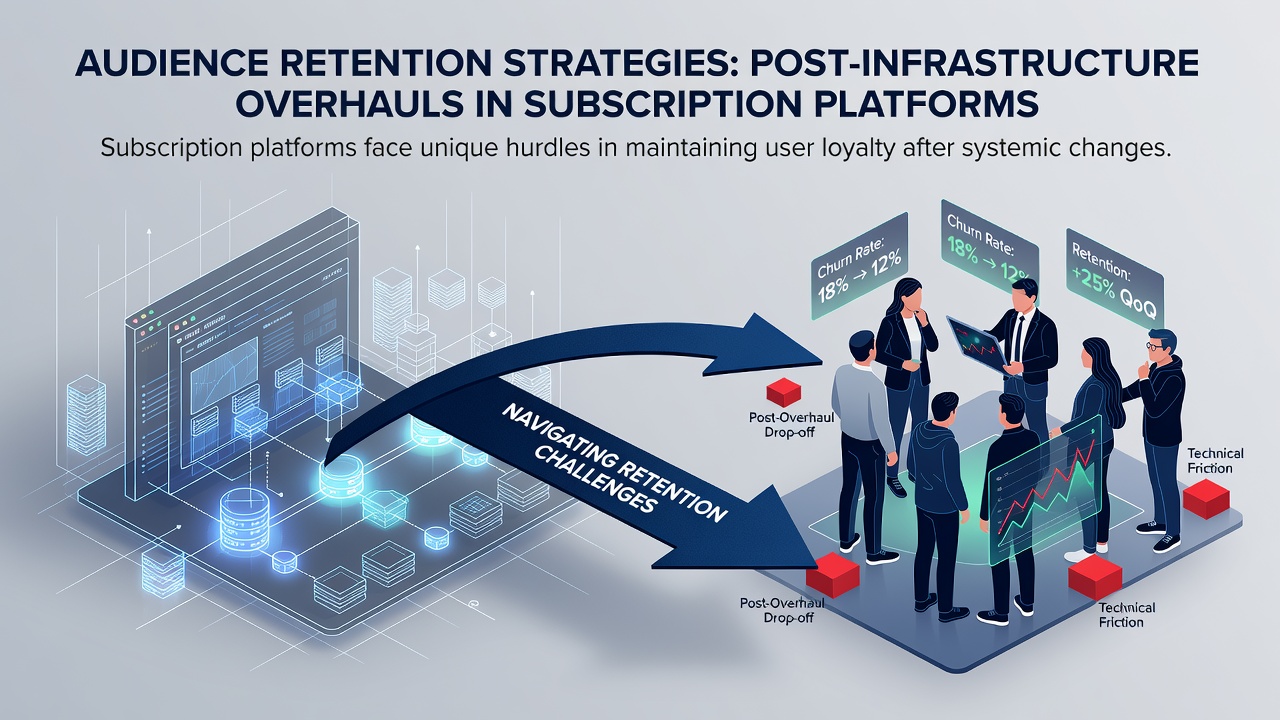
Subscription platforms frequently undergo major website infrastructure overhauls to improve scalability, security, and performance yet these transitions often trigger audience retention difficulties that require careful management. Data from industry reports indicate that even brief service interruptions during such projects lead to measurable increases in subscriber churn rates while changes to navigation or payment flows create friction for long-term users. Observers note that platforms handling millions of active accounts must coordinate these upgrades across multiple systems including content delivery networks, database architectures, and authentication layers to minimize disruptions.
Common Infrastructure Overhaul Triggers and Their Effects
Platforms initiate overhauls for reasons such as migrating to cloud-based environments, implementing new encryption standards, or consolidating legacy codebases that no longer support growing user volumes. Research indicates these projects typically span several months and involve phased rollouts that test individual components before full deployment. When migration occurs without sufficient parallel testing environments, users encounter slow load times or broken features that prompt immediate cancellations. Studies from digital analytics firms reveal that subscription services experience an average 12 to 18 percent drop in renewal rates during the first quarter following an unannounced overhaul.
September 2026 marks a period when multiple major platforms have scheduled infrastructure refreshes to align with updated data protection regulations across different regions. Those overseeing these timelines coordinate with compliance teams to ensure new systems meet requirements without halting core subscription functions. Evidence suggests platforms that communicate upgrade schedules in advance through email campaigns and in-app notifications retain higher percentages of their audience compared to those that proceed without notice.
Key Retention Obstacles During Transitions
User experience shifts represent one of the primary obstacles because redesigned interfaces alter familiar pathways for accessing content or managing accounts. Data shows that subscribers who encounter unexpected login requirements or altered billing pages often abandon their subscriptions rather than troubleshoot. Payment processing changes also create issues when currency conversions or regional tax calculations produce unexpected charges that trigger disputes. According to findings published by the OECD digital economy reports, cross-border subscription services face additional complications during overhauls because variations in local infrastructure affect how quickly updates propagate to users in different countries.
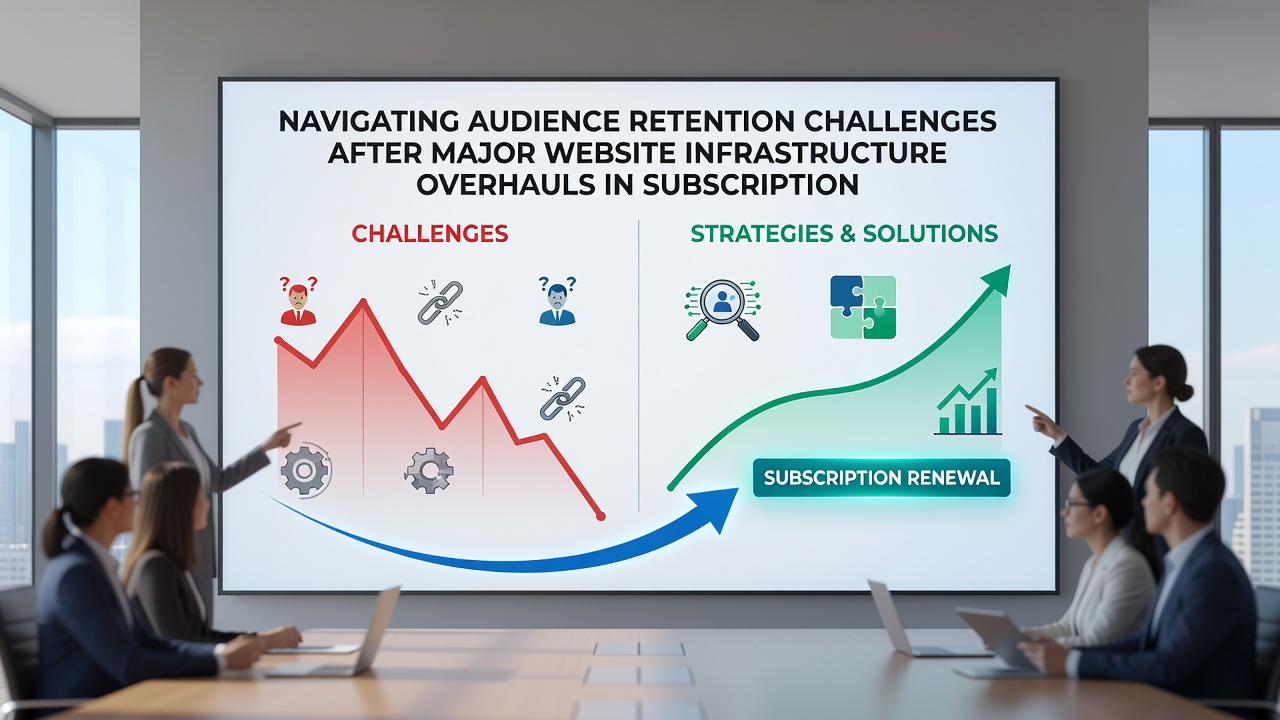
Technical glitches during database migrations sometimes result in lost user preferences or progress tracking which frustrates dedicated subscribers who have built extensive libraries. Experts have observed that these incidents compound when support teams lack updated documentation on the new systems and therefore provide inconsistent guidance. Retention challenges intensify further when competitors launch simultaneous marketing campaigns highlighting their own stable platforms as alternatives.
Strategies Employed by Platforms to Maintain Subscriber Bases
Successful platforms address these issues through structured communication plans that begin weeks before any visible changes take effect. They deploy beta testing groups drawn from diverse subscriber segments to identify friction points early and adjust accordingly. Metrics tracked during these tests include session duration, feature usage frequency, and support ticket volume which provide quantitative indicators of potential retention risks. Platforms also introduce temporary incentives such as extended trial periods or discounted renewals for users who remain active through the transition window.
Technical teams prioritize zero-downtime deployment methods including blue-green releases and canary testing that allow gradual exposure of new infrastructure to small user cohorts first. Research from academic institutions demonstrates that these approaches reduce the incidence of widespread outages by up to 40 percent when implemented consistently. In parallel, customer success departments monitor real-time dashboards that flag sudden drops in engagement metrics so they can intervene with personalized outreach before cancellations occur.
One documented case involved a streaming service that rebuilt its recommendation engine during an overhaul and initially saw a 15 percent decline in daily active users. The company responded by restoring previous recommendation options as an opt-in feature while the new system underwent refinement. This adjustment helped stabilize retention figures within two months according to internal performance summaries shared with industry analysts.
Measurement and Long-Term Outcomes
Platforms evaluate the success of their overhaul strategies by comparing pre- and post-migration retention curves alongside revenue per subscriber metrics. Those that invest in comprehensive user education materials such as updated help centers and video walkthroughs typically observe faster recovery in engagement levels. Data from multiple service providers indicates that retention rates return to baseline within four to six months when proactive measures accompany the technical work.
External benchmarks compiled by research organizations help contextualize individual platform performance against broader industry patterns. These comparisons reveal that services operating in highly competitive verticals face steeper challenges because subscribers have more immediate alternatives available. Continued monitoring through cohort analysis allows teams to detect whether specific demographic groups require targeted follow-up campaigns after the infrastructure changes stabilize.
Conclusion
Subscription platforms that navigate infrastructure overhauls successfully integrate technical execution with sustained user communication and responsive support structures. Evidence from ongoing projects scheduled through September 2026 shows that preparation and phased implementation reduce the severity of audience retention challenges. Organizations tracking these patterns continue to refine their approaches as new tools for monitoring and deployment become available.