Elena Richter · 8 October 2026
Tracing the Evolution of User Interface Adaptations Following Extensive Backend System Enhancements in Paid Newsletter Services
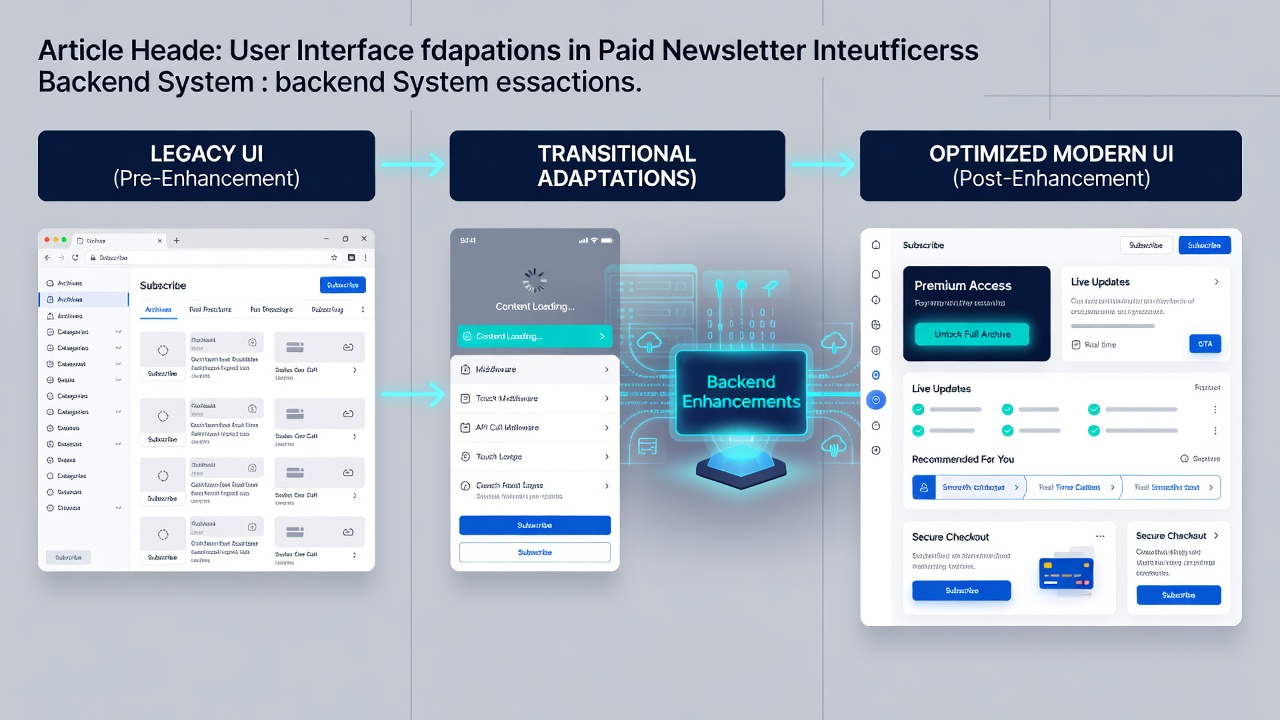
Paid newsletter services expanded their backend infrastructures to handle growing subscriber volumes and complex data operations, and these changes prompted corresponding shifts in user interfaces that improved navigation and feature accessibility. Backend enhancements focused on scalable databases and automated processing pipelines, which allowed platforms to support real-time content delivery without performance lags. Observers note that these technical foundations set the stage for interface redesigns that prioritized clarity and efficiency for both creators and readers.
Backend Infrastructure Developments Across Major Platforms
Companies operating subscription-based newsletter tools invested in cloud-based architectures and enhanced data synchronization methods during 2025, which reduced latency in content distribution and billing systems. Data from industry analyses shows that processing speeds increased by measurable margins after these upgrades, enabling smoother handling of large email lists and payment records. Researchers at academic institutions documented how such backend improvements minimized downtime during peak sending periods and supported integration with external analytics services.
One platform that completed a major migration to distributed server networks in early 2026 reported streamlined query responses that directly influenced subsequent interface layouts. Those who studied these transitions found that backend stability encouraged developers to experiment with dynamic elements in the front-end layers. And the pattern repeated across multiple providers as they adopted similar technical stacks to remain competitive in the subscription economy.
Interface Adjustments Triggered by Technical Upgrades
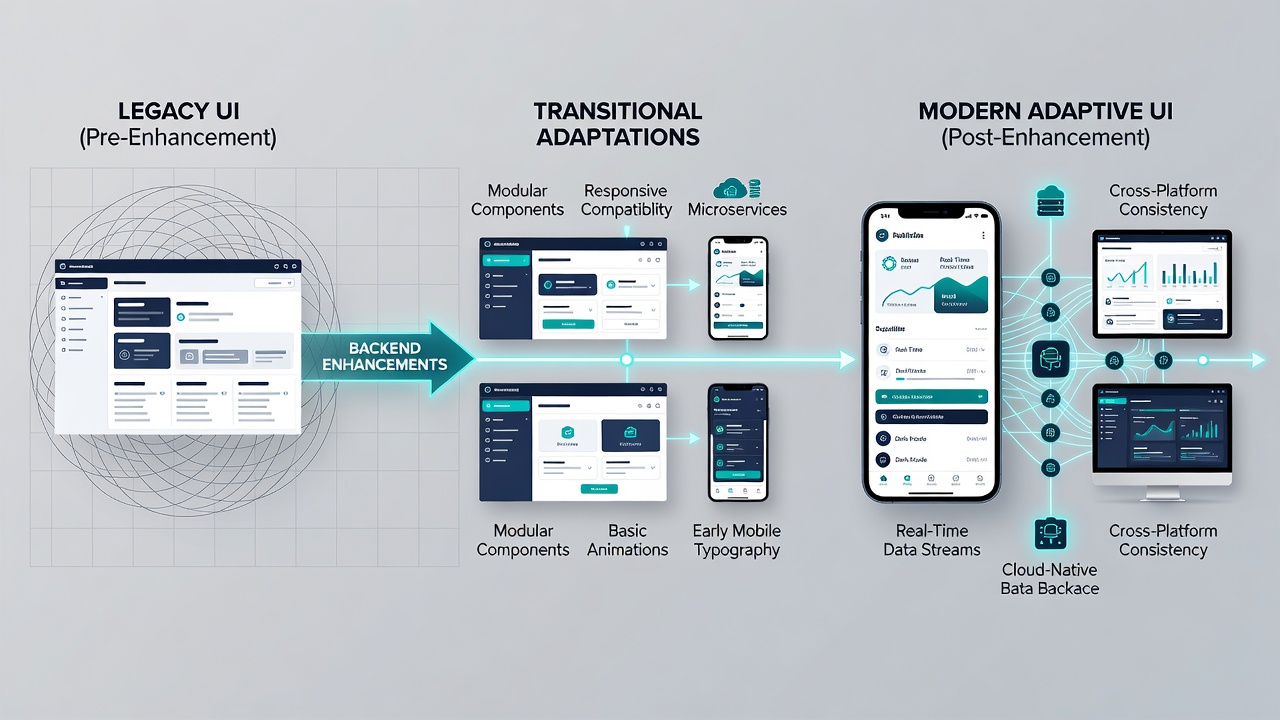
With stronger backend capabilities in place, user interfaces evolved to display richer subscriber metrics through interactive charts and segmented audience views. Designers incorporated drag-and-drop tools for email template customization because the underlying systems could now render variations instantly. Evidence suggests these adaptations reduced the number of steps required for common tasks such as campaign scheduling and payment reconciliation.
Platforms introduced responsive components that adjusted automatically across desktop and mobile environments, drawing on the improved data pipelines to load personalized content previews without delay. In October 2026 several services rolled out updated navigation menus that grouped related functions together after backend enhancements made cross-feature data sharing more reliable. People who manage paid newsletters often discover that these interface refinements lead to quicker onboarding for new subscribers and fewer support requests related to basic operations.
Case Examples of Coordinated Backend and Interface Changes
Take one European-based service that upgraded its core data layer to accommodate advanced personalization algorithms, after which the user dashboard gained collapsible sections for performance tracking and automated recommendation engines. Figures from the European Commission digital strategy reports indicate broader adoption of such paired improvements across the region. Another provider in North America followed a similar sequence, implementing enhanced search functionalities in the interface once backend indexing became more efficient.
These examples illustrate how backend work created opportunities for interface elements that had previously strained system resources. Observers documented reduced error rates in user actions following teh coordinated updates, particularly in areas involving subscriber segmentation and content archiving. The changes also extended to accessibility features, including keyboard navigation support and high-contrast modes, because backend processing could handle additional rendering demands without compromise.
Patterns Observed in Ongoing Platform Evolution
Trends through late 2026 reveal continued refinement of interfaces as backend systems incorporate machine learning components for predictive analytics. Interfaces now surface suggested content adjustments based on engagement data processed in near real time. According to findings compiled by the Pew Research Center on digital publishing, such adaptations correlate with higher retention metrics in subscription models that emphasize visual feedback loops.
Providers have adjusted color schemes and layout densities to align with the faster data flows enabled by upgraded infrastructures. Those managing these services report that the resulting interfaces allow creators to monitor multiple campaigns simultaneously through consolidated views rather than switching between separate modules. The progression remains tied to backend reliability, which continues to dictate the scope of feasible front-end innovations.
Conclusion
The sequence of backend system enhancements followed by targeted user interface adaptations has produced measurable shifts in how paid newsletter services operate and present themselves to users. These developments reflect coordinated technical and design efforts that address both performance demands and usability requirements. Continued monitoring of platform updates will show whether the established pattern of backend-driven interface evolution persists into future cycles.